ALBAWABA - It seems that the MOU signed between the U.S. and Iran is slowly becoming reality as oil flows through Hormuz despite Iranian claims of the strait being shut down.
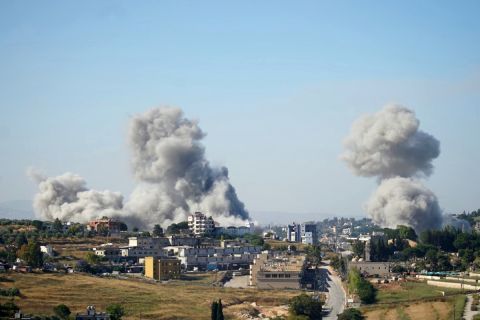
On Wednesday, Iran and the U.S. signed a 14-point memorandum of understanding (MOU) with one of its points allowing the free flow of oil without restrictions and blockades from both sides. However, as Israel continues its attacks on Lebanon, which is a violation of the first point in the MOU, Iran has declared that the strait is closed.
Israel declared that it will adhere to the ceasefire though it will reserve the right to keep its territorial gains in southern Lebanon and to respond to any strikes from Hezbollah against the invading forces. Consequently, rockets have not stopped flying across Lebanon as Hezbollah states that the Israeli presence is a violation of the ceasefire.
The two major powers in the war, U.S. and Iran, are currently discussing the MOU and the following 60-day ceasefire in Switzerland, with Israel attempting to heckle the negotiations with military escalations in Lebanon. Though Iran said they blocked the strait, U.S. Vice President JD Vance said the opposite in a Fox News interview, declaring that:
“We got 16 million barrels [of oil] out of the Strait of Hormuz in just the last 24 hours, that is basically to where it was before the war started, and so that suggests that the straits really are open,” he said. “No, we’re not seeing any evidence that the Iranians are still closing down the Strait of Hormuz,” he said. “It is going to take some time to clear those mines, though.”
Conflicting reports around the strait’s closure have been a staple trend of this war with neither side quite agreeing when it is open and when it is closed; either way, investors and oil firms alike are keeping their eyes on the talks in Switzerland for a definitive answer on the strait’s status.