ALBAWABA - The artificial intelligence model "Grok," developed by the X platform, accurately predicted the timing of the US-Israeli war on Iran, out of four systems that focused on the period between March 5 and 15 as a likely timeframe for the attacks.
Tel Aviv and Washington launched a missile attack on specific targets in Iran on Saturday, February 28, the date that "Grok" had predicted when asked to estimate when the war would begin.
According to a test conducted by the Israeli newspaper "The Jerusalem Post" last Wednesday, the "Grock" AI system based its prediction on the likelihood of the Geneva negotiations failing last Thursday, asserting that the attack would occur on Saturday, which is exactly what happened.
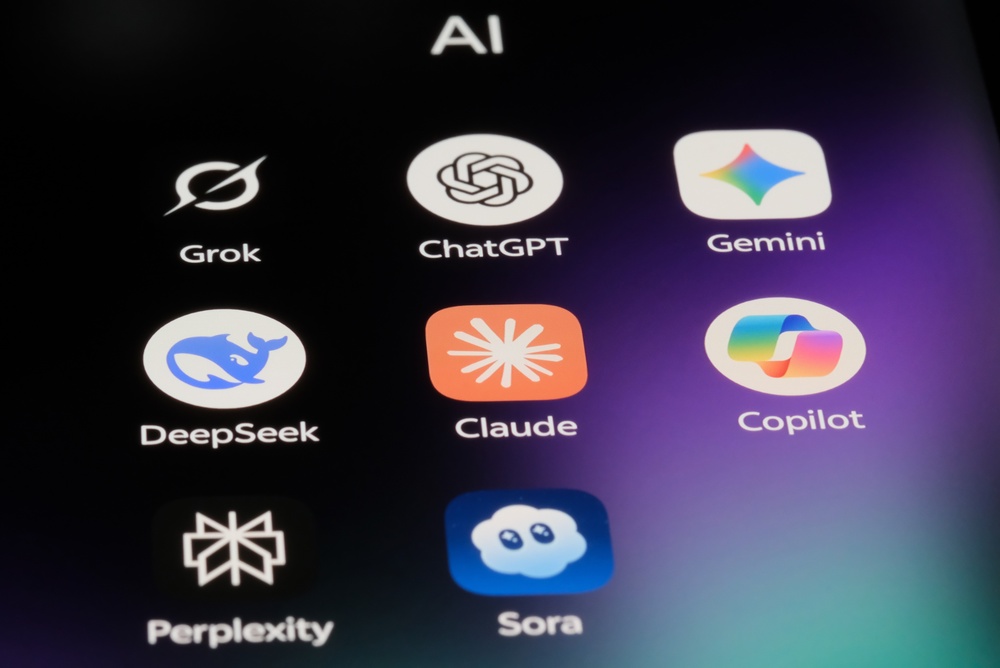
However, the AI system from the X platform also indicated that the date was subject to change if new developments emerged, with a limited margin for a diplomatic breakthrough that could prevent or postpone the outbreak of war.
The three known AI models failed to pinpoint the exact date, instead predicting that the war would begin between March 5 and 15.
The Claude model initially refused to predict a specific date, arguing that providing a precise date would be an unfounded speculation. However, under pressure, it offered probabilistic scenarios pointing to early to mid-March, narrowing them down to March 7 or 8 in some cases.
The Gemini model, on the other hand, linked any potential strike to the context of political developments, such as the outcome of the Geneva negotiations and Iranian reactions. It presented a timeframe between March 4 and 6, assuming the strike would be launched at night to maximize the tactical effectiveness of the B-2 stealth bombers.
While the ChatGPT model was slightly closer to accuracy, initially predicting March 1st as a likely date for a US strike, it later revised this to March 3rd, noting that this might be reflected in other regions, such as Israel, as March 4th due to time zone differences. It also established a "risk window" extending to March 6th.