

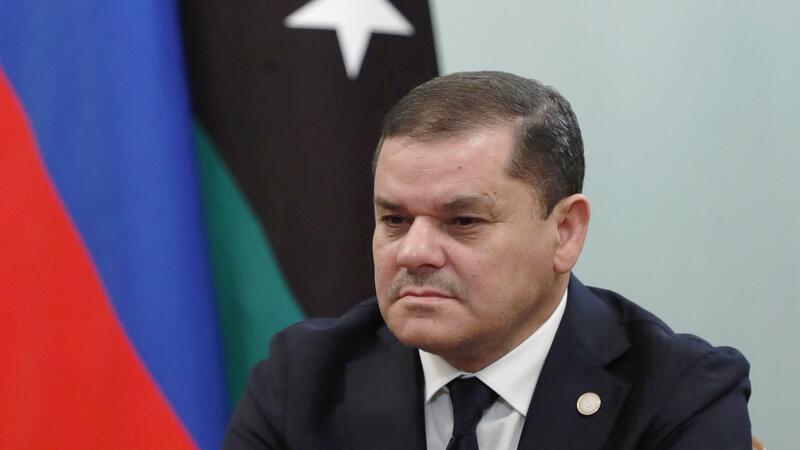
The UN secretary-general’s special representative for Libya and Tunisian Foreign Minister Othman Jerandi held discussions Tuesday on “a way out of the crisis” in Libya.
1/3 I was received in Tunis by H.E. Mr Othman Jerandi, Minister of Foreign Affairs of Tunisia. We discussed ways to encourage Libyan political and security actors to come together in Libya and agree on a way out of the crisis by holding elections as soon as possible. pic.twitter.com/WRD8MgwtU9
— SRSG Abdoulaye Bathily (@Bathily_UNSMIL) December 6, 2022
“We discussed ways to encourage Libyan political and security actors to come together in Libya and agree on a way out of the crisis by holding elections as soon as possible,” Abdoulaye Bathily, who is in Tunisia, wrote on Twitter.
Bathily and Jerandi “called on relevant institutions to swiftly finalize the constitutional basis for elections as the country nears the one-year anniversary of the postponement of the 2021 elections,” he added.
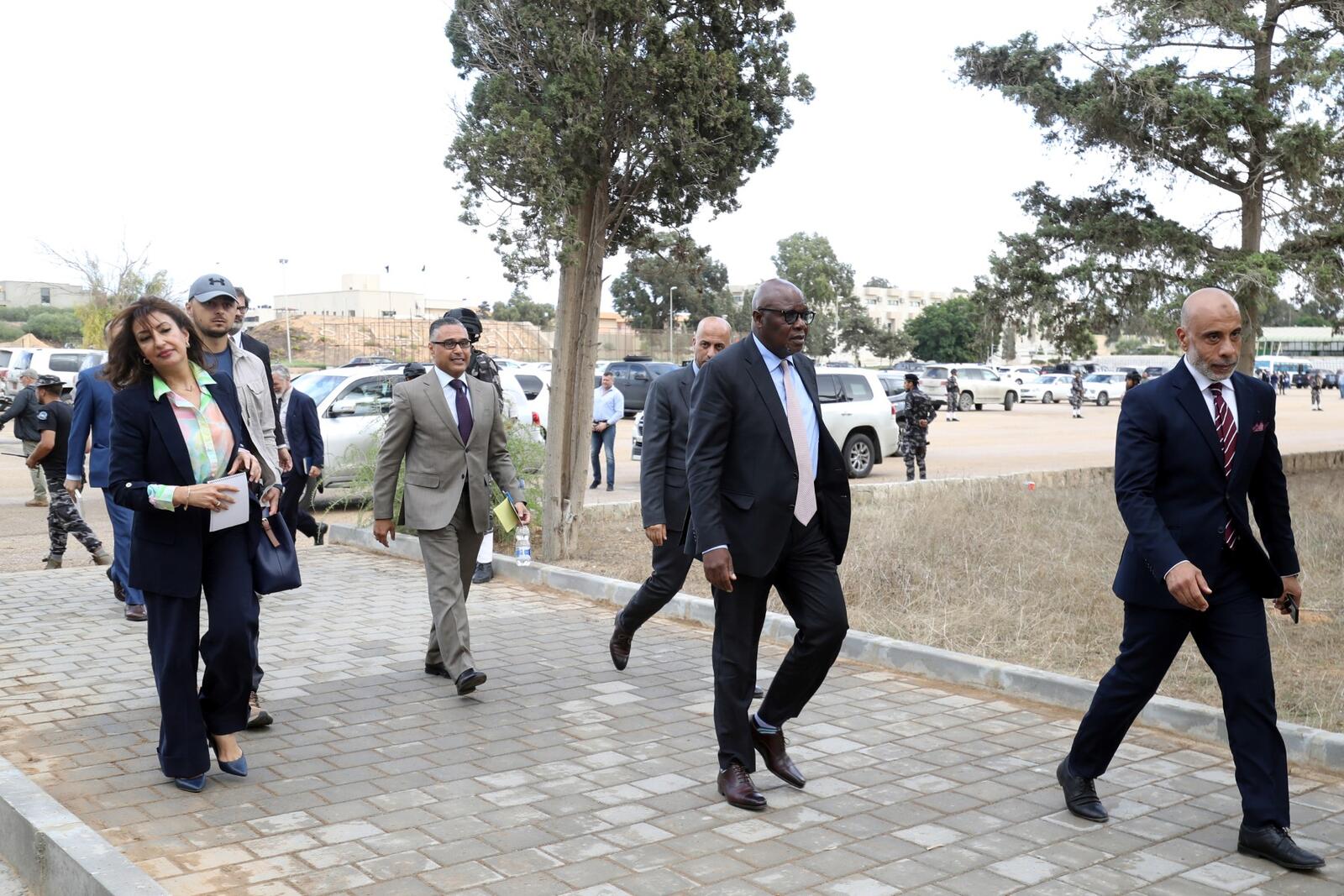
Abdoulaye Bathily (C), UN Special Representative for Libya and Head of the United Nations Support Mission in Libya (UNSMIL), arrives for an election simulation meeting in the capital Tripoli on November 5, 2022. (Photo by Mahmud Turkia / AFP)
The two diplomats agreed “on the need for strengthened coordination among regional actors to encourage all Libyan stakeholders to reach an agreement to break the deadlock,” he added.
Last week, the head of the Tripoli-based unity government, Abdul Hamid Dbeibeh, welcomed a call by the UN envoy to Libya for holding elections in the country.
#BREAKING The UN secretary-general’s special representative for Libya and Tunisian Foreign Minister Othman Jerandi held discussions Tuesday on “a way out of the crisis” in Libya. “We discussed ways to encourage Libyan political and securit... https://t.co/Wa3svV354f
— Libya Breaking News (@Libyabrk) December 7, 2022
"I welcome the statement of the Head of the United Nations Support Mission in Libya, Abdoulaye Bathily, in which he urged all the relevant parties to achieve what he described as the ‘sole purpose’ to go for elections," Dbeibeh said in a statement on Twitter.
On Saturday, Bathily called "on political actors to accelerate discussions on the way forward in the political process and to create the conditions for the holding of free and fair elections."
Oil-rich Libya has remained in turmoil since 2011, when longtime ruler Muammar Gaddafi was ousted after four decades in power.
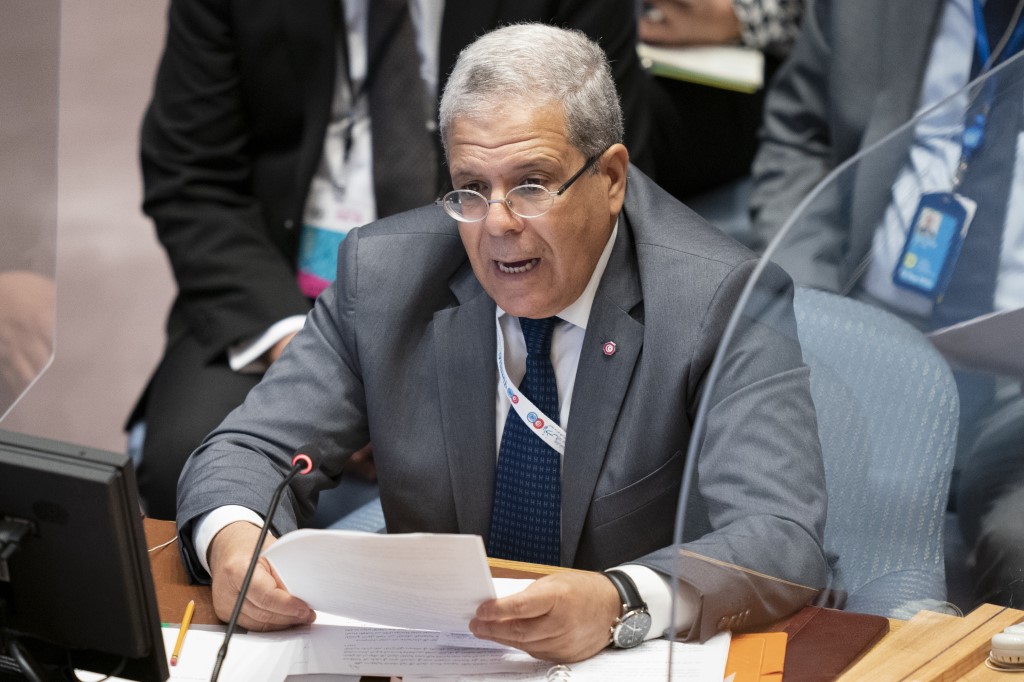
Othman Jerandi, minister of foreign affairs of Tunisia, speaks during a meeting of the United Nations Security Council during the 76th Session of the U.N. General Assembly at U.N. headquarters on September 23, 2021 in New York City. More than 100 heads of state or government are attending the session in person, although the size of delegations are smaller due to the Covid-19 pandemic. John Minchillo-Pool/Getty Images/AFP
The situation has worsened since last March when the Libyan parliament appointed a new government led by former Interior Minister Fathi Bashagha, but Dbeibeh insists he will cede authority only to a government that comes through an "elected parliament," raising fears that Libya could slip back into a civil war.
Libya saw violent clashes between forces aligned with the two rivals in Tripoli last August, leaving dozens dead.


