ALBAWABA- Iran has rejected any nuclear concessions or new commitments during its initial round of high-level talks with the United States in Switzerland, underscoring persistent divisions despite renewed diplomatic engagement.
Iranian Foreign Ministry spokesperson Esmaeil Baghaei stated that Tehran did not negotiate its nuclear program nor agree to any new obligations during Sunday’s discussions, according to Iranian media.
The talks were held at a Swiss resort location, including reports of meetings in Bürgenstock, and marked the first formal round following a recent memorandum of understanding aimed at de-escalating regional tensions.
The negotiations took place against a fragile regional backdrop, including a US-brokered interim ceasefire involving Iran, Israel, and Hezbollah in Lebanon, as well as heightened tensions in the Strait of Hormuz. Tehran had previously signalled potential disruption to maritime traffic in response to Israeli actions, while Washington downplayed the impact on shipping lanes.
The dialogue builds on earlier indirect rounds mediated by regional actors, including Oman, Qatar, and Pakistan, as part of ongoing efforts to reduce tensions following years of regional confrontation and proxy conflict.
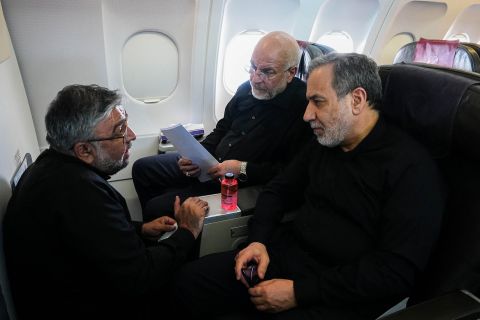
Sunday’s session included senior-level participation from both sides, with US representatives led by Vice President JD Vance alongside senior advisers, including Steve Witkoff and Jared Kushner. Iran’s delegation featured Foreign Minister Abbas Araghchi and Parliament Speaker Mohammad Bagher Ghalibaf.
According to Iranian officials, nuclear issues were not part of the agenda at this stage. Instead, discussions focused on implementing the existing understanding, verifying US commitments on sanctions relief and asset releases, and addressing compliance with the Lebanon ceasefire agreement.
US officials, however, described the talks as cautiously constructive, with reported progress on limited areas including potential Iranian agreement to resume International Atomic Energy Agency inspections and preliminary steps toward a structured implementation timeline covering sanctions relief, maritime security in the Strait of Hormuz, and broader de-escalation measures.
The meeting reportedly experienced early disruptions following public statements by US President Donald Trump, which led to temporary Iranian walkouts, highlighting the sensitivity of public rhetoric on ongoing diplomacy.
While the talks were not concluded, mediators indicated they were paused for further consultations rather than terminated, with technical-level follow-up discussions expected.
Despite modest signals of engagement, fundamental disagreements over Iran’s nuclear programme remain unresolved. Tehran continues to insist its nuclear activities are peaceful, while negotiations are expected to continue in lower-level formats aimed at narrowing gaps on sanctions, verification mechanisms, and regional security arrangements.