


ALBAWABA- Lebanon and Israel launched the fifth round of US-mediated negotiations in Washington on Tuesday, seeking to reinforce a fragile ceasefire, advance Israel's withdrawal from southern Lebanon, and strengthen Lebanese state authority amid broader regional de-escalation efforts.
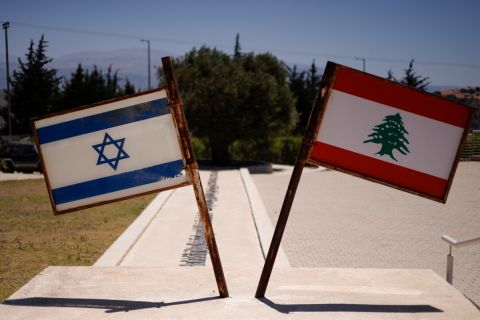
The talks, facilitated by the United States, involve separate security and political delegations from both countries and are being closely watched as a critical test of efforts to convert temporary calm into a sustainable settlement.
The Lebanese delegation is headed by Ambassador Simon Karam and includes Lebanese Ambassador to Washington Nada Maawad, while Israel is represented by a delegation led by Ambassador Yehiel Litter.
Lebanese President Joseph Aoun described the latest round as potentially decisive, reiterating Beirut's firm rejection of any continued Israeli presence in southern Lebanon or external interference in the country's affairs.
Aoun stressed that Lebanon is conducting the negotiations independently and that a complete Israeli withdrawal remains a non-negotiable objective.
The latest discussions build on four previous rounds held since April, which have yet to produce a permanent ceasefire agreement or secure Israel's full withdrawal from contested areas in southern Lebanon.
However, a recent US-Iran memorandum of understanding has contributed to the longest period of relative calm along the Lebanese front in months by calling for a cessation of military operations across multiple regional theatres.
Negotiators are currently focused on several key issues, including a phased “move-for-move” withdrawal mechanism, ceasefire enforcement measures, border security arrangements, and strengthening the Lebanese Armed Forces as the country's sole legitimate military authority.
The talks are also unfolding against the backdrop of broader US-Iran diplomacy, with Lebanon increasingly intertwined with wider regional negotiations.
Responding to concerns raised by Lebanese Forces leader Samir Geagea, US Vice President JD Vance clarified that Washington's contacts with Tehran regarding Lebanon are limited to ensuring Hezbollah's compliance with ceasefire commitments.
Vance emphasized that the discussions do not grant Iran any role in shaping Lebanon's political future and reaffirmed US support for President Joseph Aoun and Lebanon's internationally recognized government as the country's sole legitimate authority.
The negotiations represent one of the rare instances of direct engagement between Lebanon and Israel after decades of hostility and come amid a broader regional de-escalation process involving US-Iran diplomacy and mediation efforts by Pakistan and Qatar.


