ALBAWABA- Israeli Prime Minister Benjamin Netanyahu has unveiled plans for a new strategic alliance aimed at countering what he described as “radical” Shia and Sunni blocs in the Middle East, signaling a potential realignment in regional diplomacy.
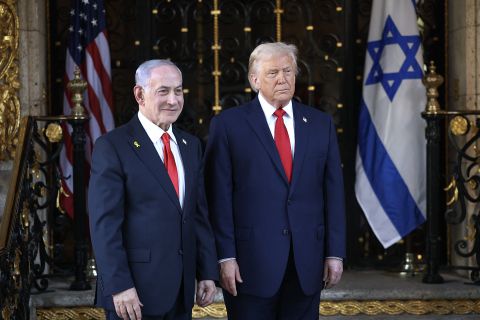
Speaking at a cabinet meeting ahead of Indian Prime Minister Narendra Modi’s upcoming visit, Netanyahu proposed forming a “hexagon” partnership that would include India, Greece, Cyprus, select Arab states, widely understood to include the United Arab Emirates, as well as African partners such as Ethiopia and other Asian countries.
Netanyahu said the proposed framework would unite countries sharing common security and economic interests to confront what he called the weakening Iran-led “Shia axis” and an emerging Sunni bloc linked to the Muslim Brotherhood. He argued that recent Israeli military operations against groups such as Hezbollah had significantly eroded Tehran’s regional influence.
According to Netanyahu, the envisioned alliance would focus on defense cooperation, technological innovation, and economic integration, positioning Israel as a central link between the Mediterranean and Asia.
In a separate address to United Nations ambassadors in Jerusalem, Netanyahu struck a defiant tone regarding Israel’s ongoing conflicts in Gaza and Lebanon. He declared that Israel had prevailed despite its size, highlighting what he described as the country’s resilience and determination to safeguard its future and that of its partners.
The remarks come amid heightened rhetoric following controversial comments by U.S. Ambassador to Israel Mike Huckabee in a February 20 interview, in which he referenced biblical boundaries stretching from the Nile to the Euphrates and said it would be acceptable if Israel controlled the entire territory. The statement drew criticism from several Arab and Muslim-majority countries, which warned that such language could inflame regional tensions.
Netanyahu’s proposal reflects Israel’s effort to expand its expansionist hegemony under the pretext of diplomacy and security partnerships at a time of continued fighting in Gaza and strained relations across the region. The initiative could deepen cooperation among like-minded states but also risks widening diplomatic rifts as Middle East tensions remain high.