ALBAWABA- Pakistan's Interior Minister Mohsin Naqvi arrived in the Iranian city of Mashhad on Saturday to revive the fragile US-Iran Memorandum of Understanding (MOU) after scheduled technical negotiations in Switzerland were postponed, raising concerns about the future of the landmark agreement.
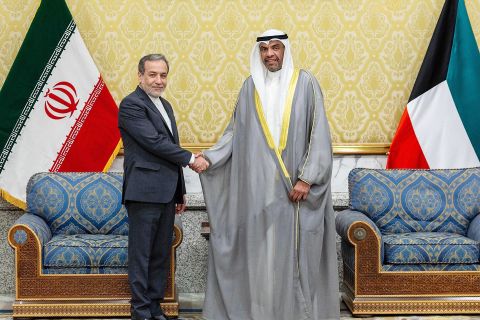
The visit marks an intensification of Pakistan's diplomatic mediation efforts as Islamabad seeks to preserve momentum behind the accord aimed at reducing regional tensions.
Iranian Foreign Ministry spokesman Esmail Baghaei said Naqvi's visit forms part of ongoing coordination between the two countries, with the Pakistani minister expected to hold urgent meetings with Iranian Interior Minister Eskandar Momeni and Foreign Minister Abbas Araghchi.
The discussions are expected to focus on implementation disputes that have delayed the next phase of negotiations and threatened progress on the recently signed agreement.
The technical talks, which were due to begin on Friday at Switzerland's Bürgenstock resort, were postponed amid disagreements over compliance with the terms of the accord rather than a complete collapse of negotiations.
According to Iranian officials, the talks cannot proceed until key provisions outlined in the Islamabad Memorandum are fully implemented.
Tehran says those conditions include an immediate and permanent ceasefire across all fronts, including Lebanon, the reciprocal lifting of restrictions, the continued reopening of the Strait of Hormuz, US waivers for Iranian oil exports, and the release of Iranian assets frozen abroad.
Senior American officials, including Jared Kushner and Special Envoy Steve Witkoff, were reportedly en route to Switzerland when the talks were delayed.
The Swiss Foreign Ministry said diplomats from several countries remain at the Bürgenstock venue to preserve channels of communication but declined to provide further details, citing the confidentiality of ongoing discussions.
The postponement comes amid renewed Israeli military operations in southern Lebanon and the Bekaa Valley, which Tehran considers a violation of the broader ceasefire framework underpinning the agreement.
Iran has increasingly linked its participation in the 60-day negotiating process to Washington's ability to ensure Israeli compliance with de-escalation efforts in Lebanon.
Pakistan, alongside Qatar, has emerged as a key intermediary seeking to bridge differences between the parties and prevent the collapse of what has been described as one of the most significant diplomatic breakthroughs in the region in recent years.
The agreement seeks to halt active hostilities, reopen vital shipping routes through the Strait of Hormuz, and establish a framework for negotiations on Iran's nuclear programme, sanctions relief, and regional security.
Naqvi's visit underscores Pakistan's growing role as a mediator in regional diplomacy, as international efforts shift from securing an initial understanding to ensuring its implementation.