


ALBAWABA- In a major escalation of UAE-Somali relations, the Somali government announced on Monday, the cancellation of all bilateral agreements with the United Arab Emirates, including security, defense, and port management pacts.
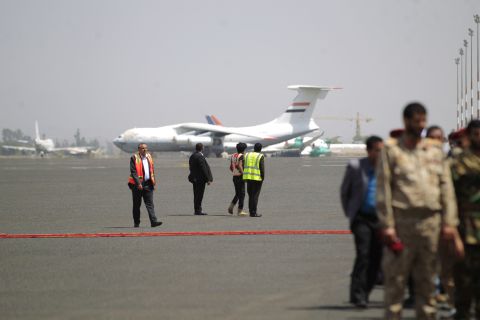
The Council of Ministers approved the decision, mandating the immediate expulsion of UAE personnel from military bases in Mogadishu, Bosaso, and Berbera, and revoking Emirati control over key Somali ports.
Mogadishu cited threats to national sovereignty, accusing the UAE of involvement in weapons smuggling through Somaliland ports to militant groups in Libya, Sudan, and Yemen, as well as facilitating the escape of Yemeni separatist leader Aidarous al-Zubaidi via Somali territory. The move follows Somalia’s earlier ban on UAE military flights, which had already prompted the withdrawal of Emirati assets.
The Somali decision mirrors recent actions in Yemen. On December 30, 2025, Yemen’s Presidential Leadership Council terminated its joint defense agreement with the UAE and issued a 24-hour ultimatum for Emirati forces to withdraw, citing Abu Dhabi’s backing of the separatist Southern Transitional Council (STC).
The UAE complied, ending its counterterrorism mission, though tensions escalated after Saudi Arabia accused Abu Dhabi of smuggling al-Zubaidi to Abu Dhabi via Somaliland and Oman. Riyadh supported Yemen’s demands, highlighting a growing rift with its former ally.
Saudi pressure on the UAE has intensified amid the public fallout. Riyadh has condemned Abu Dhabi for undermining regional stability, including airstrikes on UAE-linked arms shipments in Yemen’s Mukalla port and alleged support for STC advances near the Saudi border.

Pro-Saudi analysts and observers note that the UAE has pursued a strategy of cultivating an “axis of secessionists” to expand its influence, often in alignment with Israel under the Abraham Accords.
Abu Dhabi supports Yemen’s STC, Sudan’s Rapid Support Forces, accused of human rights abuses, and the Libyan National Army in eastern Libya, allegedly aiming to counter radical groups and secure key maritime routes.
Joint UAE-Israeli ventures, including intelligence facilities on Yemen’s Socotra Island, target Iran and the Houthis, but critics warn that such policies fragment states and fuel instability. This contrasts with Saudi Arabia’s preference for unified governments, risking deeper regional polarization as smaller states navigate the widening divide.