ALBAWABA- Japan’s Liberal Democratic Party (LDP), led by Prime Minister Sanae Takaichi, won a decisive landslide in the snap general election, capturing more than 310 of the 465 seats in the House of Representatives.
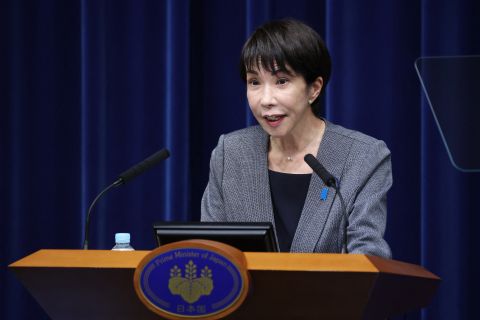
The result delivers the LDP its first two-thirds supermajority as a single party since World War II, while the broader ruling coalition secured over 340 seats, granting the government the numbers needed to override upper house objections.
The outcome significantly strengthens Takaichi’s political authority, enabling her to press ahead with long-stalled constitutional revisions and advance her conservative agenda, including expanded defense capabilities, tighter immigration policies, and economic revitalization measures.
Exit polls had pointed to a decisive victory despite rare winter snowfall that disrupted travel across parts of the country, marking Japan’s first mid-winter general election in 36 years.
Takaichi, Japan’s first female prime minister, took office in October 2025 after winning the LDP leadership race, succeeding Shigeru Ishiba following the party’s earlier loss of its parliamentary majority. She initially governed through a coalition with the Japan Innovation Party, but public support surged to around 70 percent after she pledged tax cuts on essential goods and a renewed economic stimulus package.
Seeking to consolidate that momentum, Takaichi dissolved parliament in January, calling the move a “weighty decision” and framing the snap election as a test of public confidence in her leadership. The strategy paid off, delivering a stable governing majority and reducing reliance on coalition partners that had previously slowed policy implementation.
The opposition, led by the Constitutional Democratic Party, suffered heavy losses and secured fewer than 100 seats, hampered by internal divisions and a short campaign period.
The scale of the victory amounts to a clear mandate for her assertive foreign policy and domestic reform agenda, potentially reshaping Japan’s political trajectory at a time of heightened regional uncertainty.