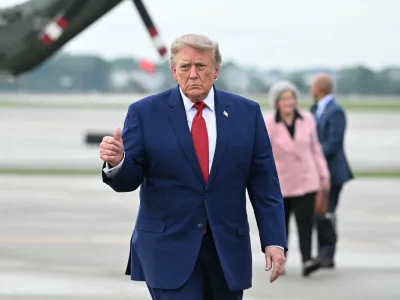
ALBAWABA- U.S. President Donald Trump claimed on Thursday that Iran had effectively offered the United States a “gift” of oil tankers transiting the Strait of Hormuz, presenting the move as a sign of progress in indirect ceasefire negotiations mediated by Pakistan.
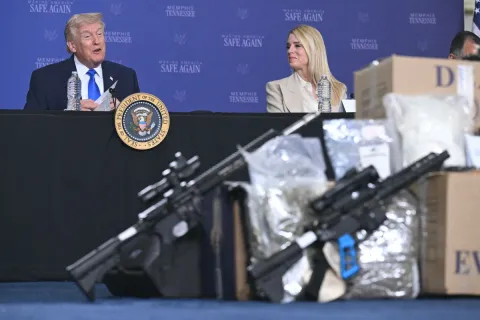
Speaking at the White House, Trump said Tehran had allowed eight oil tankers to pass through the strategic waterway as proof of its seriousness in talks. He added that the vessels were flying the Pakistani flag. He suggested more shipments could follow, describing the development as linked to ensuring the continued flow of oil and gas through the vital corridor.
In parallel remarks on Truth Social, Trump warned Iran against further escalation while accusing its officials of adopting contradictory positions, seeking compromise privately while maintaining a hardline stance publicly.
He also criticised NATO, calling it ineffective and reiterating long-standing complaints about burden-sharing, while stressing that keeping the Strait of Hormuz open is a “global problem.”
The comments come amid ongoing indirect negotiations between Washington and Tehran, facilitated by Pakistan. According to US accounts, the Trump administration has put forward a broad proposal covering sanctions relief, nuclear restrictions, missile limits, and guarantees for maritime security.
Iranian officials have responded with a counterproposal focused on ending hostilities, halting targeted killings, securing reparations, and reaffirming sovereignty over the strategic waterway. Tehran has publicly rejected the US plan as one-sided, while confirming that messages are being exchanged through intermediaries.
The diplomatic push unfolds against the backdrop of continued hostilities following the outbreak of the US–Israel strikes on Iran (2026) in late February. The conflict has seen sustained exchanges, including Iranian missile and drone attacks on Israel, US bases, and Gulf infrastructure, alongside disruptions to tanker traffic through the Strait of Hormuz, a route handling roughly a fifth of global oil supplies.
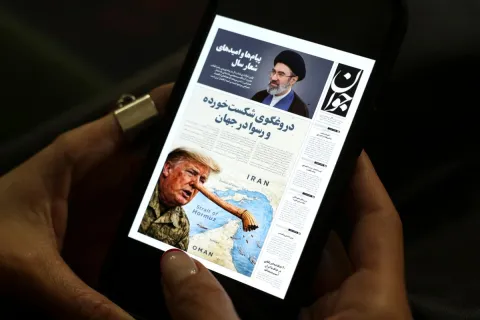
Oil markets have reacted sharply to the instability, while both sides continue limited military operations despite the ongoing talks. The United States has reinforced its regional presence, and Iran has ruled out direct negotiations but signalled openness to mediated dialogue.
Major sticking points, including Iran’s nuclear programme, regional influence, and long-term security guarantees, remain unresolved, leaving the prospects for a ceasefire uncertain as indirect exchanges continue.