

ALBAWABA- US Vice President JD Vance announced on Thursday the start of a 60-day negotiating period between the United States and Iran, following the signing of a Memorandum of Understanding (MOU) designed to halt hostilities, reopen the Strait of Hormuz, and pave the way for a broader agreement on Iran's nuclear program and regional security issues.
Speaking to reporters, Vance said the negotiation period officially begins today and will focus on resolving outstanding technical and political issues through direct engagement between the two countries. He also expressed confidence that US sanctions on Iran could eventually be lifted if Tehran complies with its commitments, particularly regarding its nuclear activities.
“The idea that President Trump will seal a bad deal for Americans is unreasonable,” Vance said, stressing that any agreement would be tied to verifiable measures and safeguard US interests. Vance announced that Washington will deploy a dedicated field team to Switzerland to oversee technical and nuclear negotiations with Iranian officials during the 60-day window.
The announcement came as commercial shipping resumed through the Strait of Hormuz, one of the world's most strategically important maritime corridors. According to Vance, approximately 12.5 million barrels of oil have already passed through the waterway since the MOU was signed.
President Donald Trump also welcomed the development, stating that “oil is flowing” after authorizing the removal of the US naval blockade and allowing toll-free passage through the strait. The agreement represents a significant diplomatic breakthrough after months of tensions that disrupted global energy markets and threatened a wider regional conflict.
According to US officials, the MOU establishes a 60-day ceasefire extension and a framework for negotiations covering Iran's nuclear program, sanctions relief, and broader regional security arrangements.
Key provisions include the immediate reopening of the Strait of Hormuz to commercial shipping, sanctions waivers for Iranian oil exports, and a performance-based mechanism that links future sanctions relief to Iran's compliance with verifiable nuclear commitments. The agreement also includes provisions aimed at reducing tensions in the wider region, including efforts to support de-escalation in Lebanon.
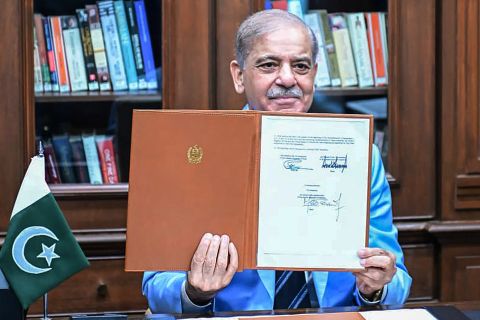
Iranian President Masoud Pezeshkian welcomed the accord, describing it as a reflection of Iran's “national resilience, political rationality, and responsible diplomacy.” The understanding follows months of indirect and direct negotiations, with mediation efforts involving several countries, including Pakistan.
Analysts describe the MOU as an interim arrangement focused on immediate de-escalation and economic stabilization while postponing more contentious issues—such as Iran's enriched uranium stockpile and long-term nuclear safeguards—to the technical negotiations scheduled over the next two months.
Despite the breakthrough, challenges remain. Experts point to the need for robust verification mechanisms, sustained political support in both countries, and broader regional acceptance, particularly from Israel.
The agreement nonetheless marks a significant diplomatic shift under the Trump administration, which is seeking to simultaneously reduce regional tensions, secure global energy supplies, and address concerns over nuclear proliferation.