ALBAWABA - Critics highlight Sohab El Ard among standout Ramadan 2026 drama series.
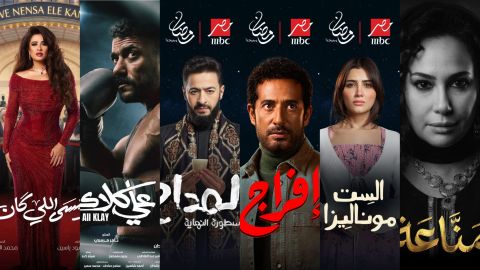
Several critics have agreed on a group of series that attracted attention during the first half of the 2026 Ramadan drama season, including "Sohab El Ard" (The People of the Land), "Ain Sahriya" (Magic Eye), "Kan Yama Kan" (Once Upon a Time), and "Ras El Afaa" (The Snake's Head), in addition to other works that achieved a notable presence with the audience.
Art critic Tarek El Shenawy told Al-Masry Al-Youm that among the most prominent works that attracted attention this season was the series "Sahab El Ard," along with "Ras El Afaa," "Ain Sahriya," "Sawa Sawa" (Together), "Etneen Gheirna" (Two Others), and "Kan Yama Kan." He added that "Sahab El Ard," in particular, sparked widespread controversy and discussion, noting that the degree of authenticity with which the events were presented made the work a subject of great interest, even raising concerns in Israel, particularly regarding its portrayal of historical events and their implications for contemporary issues.
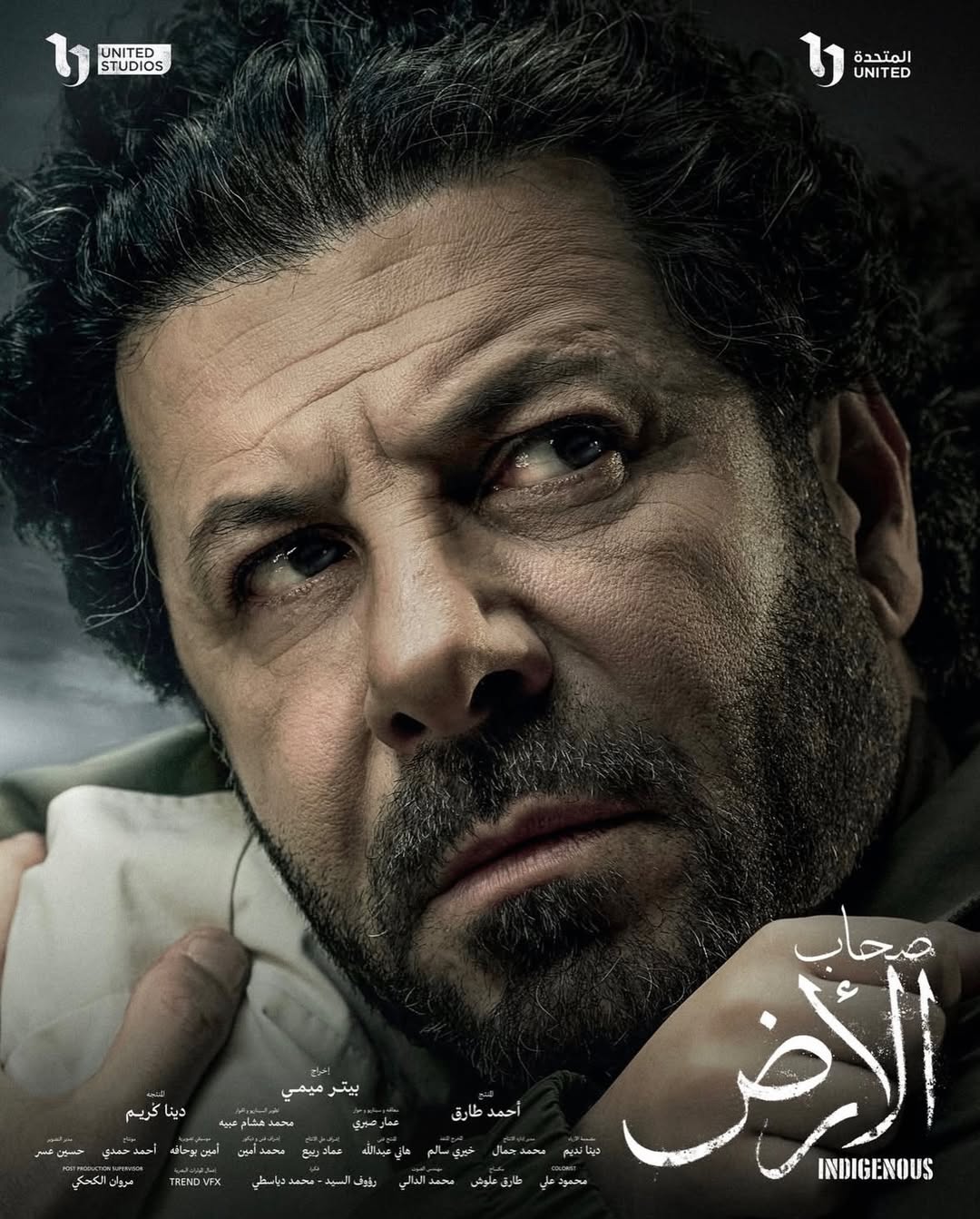
For her part, art critic Magda Morris stated that several works stood out strongly during the current season, including "Sahab Al-Ard" (The People of the Land), "Ras Al-Af'a" (The Snake's Head), "Ain Sahriya" (Magic Eye), "Itneen Gheirna" (Two Others), and "Kan Yama Kan" (Once Upon a Time). She explained that "Sahab Al-Ard" is an important work that documents unforgettable events and presents them to new generations in a moving way. She emphasized that the work transcends being merely an artistic production, as it carries a militant character, especially with the participation of several Palestinian artists in its cast, which gave it greater credibility and impact on the audience.
Morris also praised the series "Ras Al-Af'a," explaining that it succeeded in presenting a realistic portrayal of the nature of the work of security personnel and the efforts they exert in confronting various challenges. She affirmed that the work reminds us that the battles the state is waging are not yet over, while highlighting the methods used to deal with them, such as the ongoing military strategies and community resilience that shape the narrative of the series.
Critic Magda Khairallah stated that several series from the first half of Ramadan have made a strong impression on the drama scene, emphasizing that "Sahab El Ard," "Ain Sahriya," "Etneen Gheirna," and "Kan Yama Kan" are among the most prominent works during this period. She added that "Sahab El Ard" presented a moving human story, where viewers found themselves confronted with the real suffering of the people of Gaza, which lent the work tremendous authenticity and made the audience follow the events as if they were unfolding right in the heart of the Gaza Strip.
She continued, saying that "Ain Sahriya" is one of the most remarkable works this Ramadan season, noting that Essam Omar is one of the most developed and distinguished stars of his generation, given his commitment to diversifying his roles and the themes he explores. She also described "Etneen Gheirna" as a quiet romantic drama that has achieved a strong audience presence.
Khairallah pointed out that some works succeeded in attracting attention despite not relying on large advertising campaigns, including the series "Had Maqsa" starring Rogina, emphasizing that it addresses an important issue related to social justice and personal struggles. She also praised Maya Ashraf Zaki's directorial debut, which presented a distinctive visual vision. She added that some works shone quietly without fanfare, such as "Ain Sahriya," especially with the remarkable performances of Bassem Samra and Mohamed Alaa.
For his part, critic Essam Zakaria said that among the most distinguished series this season were "Sahab El Ard," "Ain Sahriya," "Sawa Sawa," and "Kan Yama Kan," noting that the season did not witness any significant development in works in general. He affirmed that the success of "Sahab El Ard" is due to the strength and importance of its subject matter, in addition to the cohesion of its artistic and directorial elements, which contributed to its significant impact on viewers.
In the same vein, critic Maha Metwally stated that series such as "The Snake's Head," "Magical Eye," "Two Others," and "Kimia" are among the most prominent works during Ramadan 2026. She explained that "The Snake's Head" stood out remarkably because it presented the events clearly through sound and image, which unsettled the Muslim Brotherhood. She praised the performance of actor Sherif Mounir in the role of Mahmoud Ezzat, describing it as brilliant.
She added that writer Hisham Helal presented a distinguished script in "Magical Eye." She also commended Essam Omar for his naturalness and success in portraying the character, praised the artistic touch added by Bassem Samra, and highlighted the masterful performance of actor Ahmed Bella.