ALBAWABA- Iraqi Prime Minister Ali Falih al-Zaidi reaffirmed Wednesday that September 30 will remain the “final and irrevocable” deadline for ending the U.S.-led international coalition’s military mission in Iraq, as Baghdad seeks to assert full state control over weapons amid difficult relations with both Washington and Tehran.
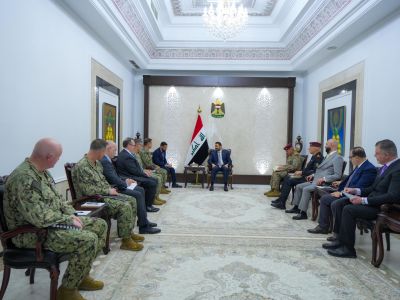
Al-Zaidi made the remarks during a meeting in Baghdad with U.S. Central Command commander Adm. Brad Cooper, according to the Iraqi prime minister’s office. He said the coalition’s military mission would end by September 30 and that October 1 would mark the beginning of a new phase in which Iraq would have no foreign military presence and would rely on its own security and military institutions to protect the country.
The meeting comes as the planned U.S. withdrawal coincides with another highly sensitive deadline: Baghdad’s effort to bring all weapons under state control. The Iraqi government has set the end of September as the deadline for armed factions to surrender their weapons or place their activities under state authority.
The process has faced resistance from powerful Iran-aligned groups, raising concerns about whether Baghdad can enforce the policy without triggering a confrontation with armed factions.
The issue also underscores the delicate position Iraq occupies between Washington and Tehran. For years, the presence of U.S. forces has been a central justification cited by Iran-backed factions for maintaining their weapons and military structures. Washington, meanwhile, has pressed Baghdad to ensure that Iraqi territory is not used by armed groups to threaten U.S. forces or regional partners.
The timing has become particularly sensitive following reports of a recent visit to Baghdad by Ismail Qaani, commander of Iran’s Islamic Revolutionary Guard Corps’ Quds Force. According to media reports, Qaani urged Iraqi authorities to postpone the implementation of the weapons-confinement policy, warning that immediate enforcement could have broader implications for Iran-linked armed groups across the region. The reported visit highlighted the competing pressures facing Baghdad as it attempts to strengthen state sovereignty while maintaining its relationship with Tehran.
For Washington and Baghdad, the end of the coalition mission does not necessarily signal an end to bilateral security cooperation. Al-Zaidi has said Iraqi-U.S. relations will move toward a broader partnership focused on economic development, investment and security cooperation rather than the presence of foreign combat forces. During his July visit to Washington, he and U.S. President Donald Trump discussed expanding economic ties and investment in Iraq.
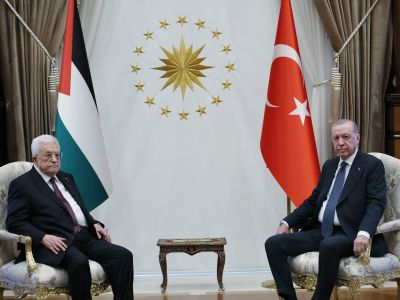
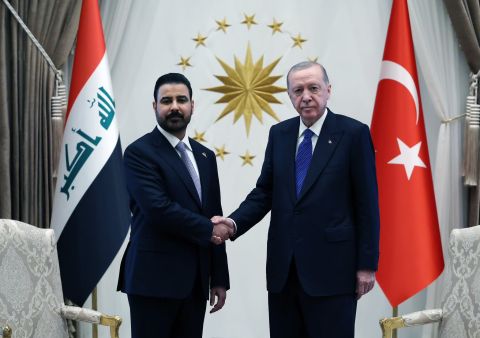
At the same time, Baghdad is attempting to maintain working relations with Iran. Al-Zaidi traveled to Tehran shortly after his Washington visit, reflecting Iraq’s difficult effort to balance relations with the two rival powers whose influence has shaped its political and security landscape since the 2003 U.S.-led invasion. He subsequently visited Turkey, where talks focused on trade, energy, security and infrastructure, including efforts to strengthen Iraq’s oil-export routes.
Since taking office, Al-Zaidi has presented his government as seeking to restore state authority, strengthen Iraq’s institutions and move the country toward economic development after years of conflict and political instability. His agenda has included efforts to combat corruption, with the prime minister saying there would be no “red lines” or exceptions in pursuing those accused of misappropriating public funds. His government has also sought to engage armed factions in a process aimed at moving their activities into political and social spheres.
The convergence of the September 30 deadlines therefore places Al-Zaidi at the center of one of Iraq’s most consequential political and security tests in years: completing the U.S. military withdrawal while persuading or compelling powerful armed groups to accept the state’s exclusive authority over weapons. How Baghdad handles the two challenges could define the next phase of Iraq’s relations with both Washington and Tehran, and determine whether Al-Zaidi can turn his promises of stronger state institutions and an anti-corruption drive into lasting reforms.