ALBAWABA- Saudi Arabia has accused Iran-linked militias operating from Iraq of launching a new wave of drone attacks targeting the kingdom’s vital oil infrastructure, escalating regional tensions and raising fresh concerns over the security of global energy supplies.
The Saudi Ministry of Defense said its air defense systems intercepted and destroyed several drones aimed at petroleum facilities in the Eastern Province and the Riyadh region. Defense Ministry spokesperson Brig. Gen. Turki Al-Maliki stated that the drones were launched from Iraqi territory by what he described as "Iran-affiliated terrorist militias," reaffirming Riyadh’s right to respond "at the appropriate time and place."
The latest incident comes just days after previous attacks struck oil-related facilities in Jazan and the Red Sea port city of Yanbu, marking the second major assault on Saudi energy infrastructure within three days.
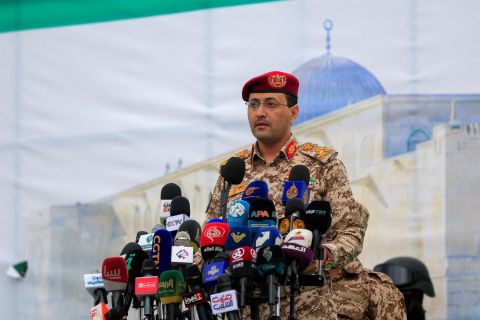
Meanwhile, Yemen’s Houthi movement claimed responsibility for attacking "sensitive targets" linked to the transport and supply of crude oil from eastern Saudi Arabia to Yanbu. In a statement posted on X, the group said it used multiple drones in retaliation for what it described as repeated Saudi drone incursions into Yemeni airspace. The Houthis had previously linked earlier strikes on Jazan and Yanbu to Saudi military operations on Kamaran Island in Yemen’s Hodeida province.
Saudi authorities rejected the Houthi account, insisting that the attacks originated from Iraq rather than Yemen. The Saudi Ministry of Foreign Affairs condemned the strikes as "reprehensible attacks" and urged the Iraqi government to prevent its territory from being used as a launchpad for attacks against the kingdom. Riyadh reiterated its commitment to safeguarding its sovereignty, protecting critical infrastructure, and deterring further aggression.
Regional governments, including Jordan, Qatar, and Egypt, also condemned the attacks and called for restraint to prevent further escalation.
The renewed strikes come at a particularly sensitive time for Saudi Arabia’s energy sector. With maritime traffic through the Strait of Hormuz increasingly affected by US-Iran tensions, the kingdom has relied more heavily on its East-West pipeline to transport crude oil to the Red Sea port of Yanbu, providing an alternative export route that bypasses the Gulf.
Repeated attacks on this strategic infrastructure threaten to disrupt export operations, increase shipping and insurance costs, and heighten risks to global energy markets.
The incidents also reflect the widening regional dimensions of the ongoing US-Iran confrontation and the network of proxy conflicts involving the Houthis and Iran-backed armed groups. Saudi Arabia’s accusations against Iraq-based militias underscore growing concerns that the conflict could expand beyond its current fronts, further complicating efforts to contain regional instability.