



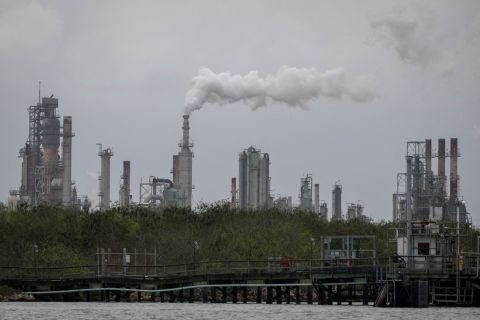
ALBAWABA- Iran has firmly denied involvement in the recent bombing of oil facilities of Ras Tanura in Saudi Arabia’s Eastern Province, distancing itself from the latest attack amid intensifying regional conflict.
In an interview with CNN, Iran’s Deputy Foreign Minister for Political Affairs, Saeed Khatibzadeh, said Tehran had no role in the strike. “We are not responsible for the bombing of Saudi oil fields and we have informed our brothers in the Kingdom of that,” he stated, emphasizing that Iran had directly communicated its position to Riyadh.
The attack caused fires and temporary operational disruptions at the targeted facilities, though Saudi authorities reported no casualties and said the damage was quickly contained. Officials have not publicly attributed responsibility for the strike, which reportedly involved unidentified drones.
The denial comes as the Middle East faces heightened instability following joint U.S.-Israeli airstrikes on February 28 that killed Iran’s Supreme Leader Ali Khamenei and dozens of senior officials.
Tehran subsequently launched “Operation True Promise 4,” targeting U.S. bases, Israeli sites, and Gulf infrastructure. While Iran has acknowledged responsibility for several retaliatory attacks, including strikes on energy facilities in the region, it has specifically disavowed involvement in the Saudi oil field incident.
Speculation has emerged about the possibility of a false-flag operation orchestrated by the U.S. or Israel to draw Gulf states, particularly Saudi Arabia, into direct military involvement against Iran.
U.S. Senator Lindsey Graham's meeting with Saudi Crown Prince Mohammed bin Salman a week before the initial strikes on Iran, described as an effort to "bring him on board", has fueled such theories.
Graham, a radical zionist vocal advocate for regime change in Tehran, has hinted at the need for broader coalition support, warning that divisions among Gulf allies could empower Iran. While no evidence supports these claims, it aligns with historical precedents of U.S. strategic provocations in the region, potentially aimed at unifying U.S. allies amid stalled diplomacy and surging oil prices.
Saudi officials have not publicly responded to Iran’s denial. The incident nonetheless adds to growing concerns that Riyadh could become further entangled in the widening confrontation, threatening regional stability and global energy markets.


