

ALBAWABA- Iraq’s Ministerial Council for National Security has authorized the Popular Mobilization Forces (PMF) and other security agencies to exercise self-defense and respond to any attacks targeting their personnel or facilities, amid escalating regional tensions.
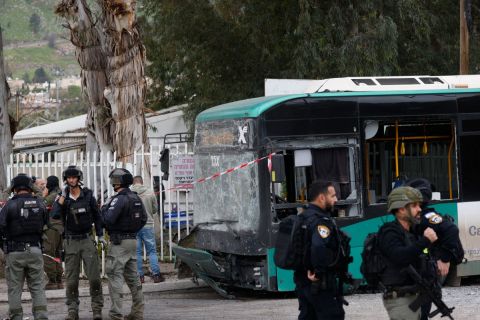
In an emergency session chaired by Prime Minister Mohammed Shia al-Sudani, the council also ordered the enforcement of arrest warrants against individuals and groups involved in attacks on security institutions, civilian sites, and diplomatic missions, with instructions to publicly identify those responsible.
The Iraqi government also announced that it will summon the US and Iranian envoys in Baghdad to deliver a formal protest over attacks targeting Kurdish Peshmerga forces and the Popular Mobilisation Forces (PMF).
The decisions come as US-Israeli strikes intensify across Iraq, targeting PMF positions. On Tuesday, airstrikes hit a PMF command headquarters in Anbar Province, killing at least 15 fighters, including a senior commander, according to Iraqi officials, who described the operation as a joint “US-Israeli” attack.
⛑️ المجلس الوزاري للأمن الوطني العراقي يخول الحشد الشعبي والأجهزة الأمنية الأخرى بالعمل بمبدأ حق الرد والدفاع عن النفس للتصدي للاعتداءات العسكرية التي تستهدف مقارهم.
— Hussam Alhaj (@HussamAlhaj4) March 24, 2026
المجلس الوزاري للأمن الوطني يقرر تنفيذ مذكرات القبض بحق المتورطين باستهداف المؤسسات الأمنية ومصالح المواطنين…
Since the war on Iran began on February 28, PMF sites have reportedly been struck across multiple provinces, including Baghdad and Babylon Province, further deepening Iraq’s involvement in the widening regional conflict.
In a related development, Kataib Hezbollah, a key faction within the PMF, announced a five-day suspension of attacks on the US embassy in Baghdad. The group said the pause, now extended, was conditional on an end to strikes on residential areas and Israeli military operations in Lebanon. Iraqi sources said the move followed mounting domestic and international pressure.
The council’s decision underscores Iraq’s growing dilemma as the conflict expands beyond its borders. While the PMF is formally part of the country’s security apparatus, several of its factions have launched drone and rocket attacks on US targets in retaliation for ongoing strikes that have also killed senior commanders.