


ALBAWABA- NATO is considering shifting toward more proactive, potentially preemptive, measures to counter Russia’s escalating hybrid warfare, according to Admiral Giuseppe Cavo Dragone, chair of the alliance’s Military Committee.
In an interview with the Financial Times, Dragone said NATO is examining “more aggressive” defensive options to address operational asymmetries, noting that Moscow faces none of the legal or ethical constraints that limit allied responses.
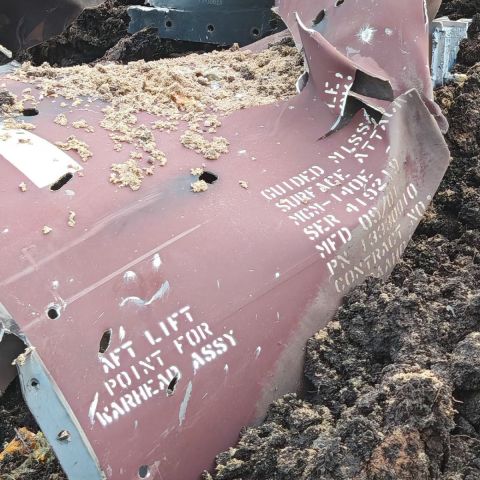
The debate follows a surge in suspected Russian hybrid activity across Europe. More than 20 drone incursions into Polish airspace since September, sabotage of the Warsaw, Lublin railway line in mid-November, damage to undersea cables in the Baltic Sea, and repeated drone breaches in Romania and Moldova.
While NATO’s expanded Baltic Sentry mission has deterred some incidents, eastern members are urging stronger deterrence to counter low-cost attacks designed to pressure civilian morale without triggering Article 5.
Russia’s Foreign Ministry condemned Dragone’s remarks as “extremely irresponsible” and an effort to undermine peace efforts in Ukraine, warning that any shift in NATO doctrine carries risks for member states.
Tensions remain rooted in Russia’s 2022 war on Ukraine, now in its fourth year, as Moscow endures heavy losses while intensifying sabotage, cyberattacks, and disinformation campaigns along NATO’s borders.
The alliance has raised 300,000 troops to high-readiness and stepped up Baltic patrols, but continues to avoid direct engagement to prevent escalation.
Although a full-scale NATO–Russia war is still considered unlikely, the risks are growing. German intelligence has cautioned that Russia could test NATO’s resolve with a limited attack, while miscalculation during a hybrid incident, such as a drone strike causing civilian casualties, could spark unintended escalation.


