


ALBAWABA- Russian President Vladimir Putin signaled that Moscow could halt natural gas supplies to the European Union ahead of new EU restrictions set to take effect later this month.
Speaking at the Kremlin on Wednesday, Putin said Russia may act preemptively in response to what he described as “mistakes” by EU authorities.
The European Union is scheduled to introduce new limits on Russian gas imports beginning March 25, with additional restrictions planned for 2027 that could amount to a full ban.
Putin argued that global market dynamics, not politics, would shape Moscow’s response, noting that emerging markets are offering higher prices and attracting suppliers, including U.S. energy firms, away from Europe. He characterized any potential suspension as a “pure business decision.”
Before the 2022 Ukraine war, Russia supplied roughly 40% of the EU’s natural gas. Since then, Europe has diversified its energy sources, but Russian gas remains a significant factor in market stability. A sudden halt in supplies could accelerate the EU’s transition away from Russian energy while intensifying short-term price pressures.
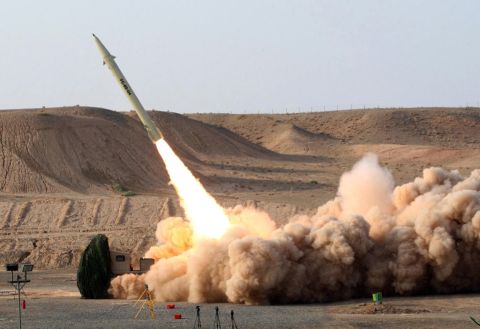
Putin’s warning comes amid wider global energy turbulence linked to the escalating U.S.-Israeli conflict with Iran. Since February 28, regional hostilities have disrupted key supply routes and infrastructure.
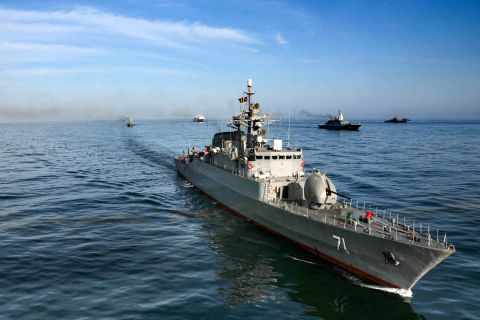
Iran’s retaliatory campaign has included threats to close the Strait of Hormuz, a critical chokepoint for about 20% of global oil shipments. Oil prices have already risen sharply amid fears of prolonged instability.
Further compounding Europe’s challenges, Qatar recently suspended LNG production following drone strikes on key facilities, tightening global gas availability. Spot LNG prices have surged, raising concerns over supply security ahead of the next winter season.
EU leaders meeting in Brussels have called for diplomatic efforts to stabilize energy markets, warning that prolonged disruptions could fuel inflation, slow industrial output, and strain economic growth across the bloc. The convergence of geopolitical tensions and energy supply risks could have lasting consequences for Europe’s economic outlook.