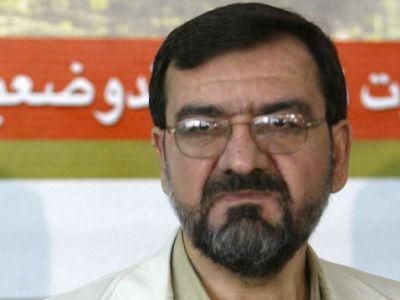
ALBAWABA- Saudi Arabia and Iran have intensified diplomatic engagement as regional powers seek to consolidate a fragile de-escalation process following the recent US-Iran ceasefire.
Saudi Foreign Minister Faisal bin Farhan Al Saud held a telephone conversation with Iranian Foreign Minister Abbas Araghchi to discuss the latest developments in US-Iran negotiations and review progress in implementing recently agreed understandings.
According to official statements, both ministers emphasized the importance of sustained dialogue and diplomatic solutions to promote stability across the Middle East. Araghchi briefed his Saudi counterpart on the status of ongoing negotiations with Washington, while Riyadh expressed support for efforts aimed at securing a lasting agreement that would strengthen regional security.
Prince Faisal also welcomed the US-Iran agreement to halt military operations, facilitated through Pakistani mediation and formalized in the Islamabad Memorandum of Understanding signed earlier this month.
The agreement includes the reopening of the Strait of Hormuz to unrestricted commercial shipping, a temporary extension of the ceasefire, and sixty days for technical negotiations covering nuclear issues and sanctions relief. The framework represents the most significant diplomatic breakthrough after months of escalating tensions and direct confrontation.
The diplomatic engagement, however, is unfolding alongside renewed pressure from Yemen's Houthi movement. Houthi leaders have intensified rhetoric directed at Saudi Arabia, demanding an end to restrictions on areas under their control and calling for compensation from the Saudi-led coalition for the years of conflict in Yemen.
The statement is an attempt to capitalize on ongoing US-Iran negotiations and increase pressure on Riyadh to adjust its Yemen policy. Although large-scale fighting has subsided, Yemen remains one of the region's most volatile flashpoints, with the Houthis continuing to project influence as part of Iran's broader regional network of allied groups.
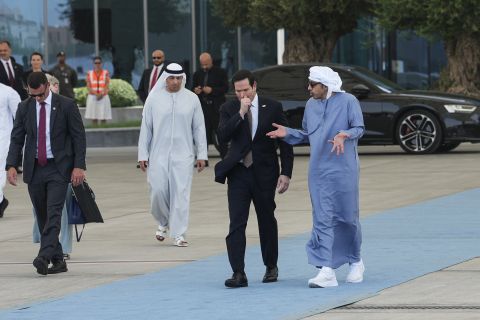
The developments coincide with an active round of Gulf diplomacy. US Secretary of State Marco Rubio is touring Gulf allies, including the United Arab Emirates, Kuwait, and Bahrain, to discuss implementation of the US-Iran agreement, maritime security in the Strait of Hormuz, and broader regional security concerns.
Meanwhile, Qatari Prime Minister and Foreign Minister Mohammed bin Abdulrahman Al Thani is visiting Oman to strengthen bilateral relations and coordinate regional diplomatic efforts. The flurry of engagements reflects a wider push by Gulf states to preserve stability following direct US-Iran hostilities earlier this year.
Saudi Arabia, which restored diplomatic ties with Iran in 2023, is increasingly positioning itself as a central actor in regional de-escalation efforts while safeguarding its strategic interests, particularly in Yemen.
The success of ongoing US-Iran technical negotiations will have far-reaching implications for Gulf security, proxy conflicts, and global energy markets. However, persistent Houthi threats and unresolved disagreements over sanctions relief continue to pose significant challenges to achieving a durable regional settlement.