


ALBAWABA- Maritime security risks in the Gulf escalated sharply after two commercial vessels were struck by unidentified projectiles within hours of each other, according to the United Kingdom Maritime Trade Operations.
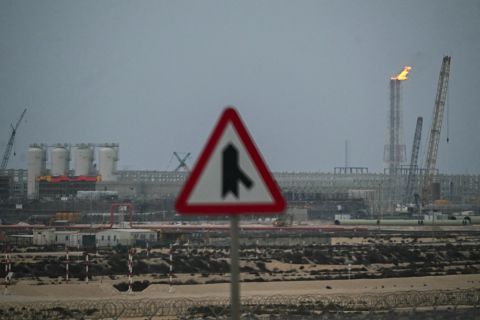
In the latest incident, a commercial vessel was hit approximately 4 nautical miles east of Ras Laffan, near a major energy hub that had come under missile fire overnight. UKMTO said all crew members were safe and advised ships in the area to proceed with caution as investigations continue.
Earlier, a container ship was struck about 11 nautical miles off Khawr Fakkan, triggering a fire on board. Authorities confirmed the blaze was contained, with no injuries or environmental damage reported.
UKMTO WARNING 025-26
Click here to read the full Warning⤵️https://t.co/DkFBhbw6sr#MaritimeSecurity #MarSec pic.twitter.com/2QPThr1pNc— UKMTO Operations Centre (@UK_MTO) March 19, 2026
The incidents come amid a widening regional escalation following an Israeli strike on Iran’s South Pars gas field, the world’s largest natural gas reserve, which disrupted processing operations. Tehran responded with missile attacks on Gulf energy infrastructure, including facilities near Ras Laffan, while warning operators linked to the United States.
U.S. President Donald Trump denied prior knowledge of the Israeli strike, stating Washington “knew nothing” about the operation and that Qatar had no involvement. He warned, however, that further Iranian attacks on Qatari targets would trigger a sweeping U.S. response against the South Pars complex.
No group has claimed responsibility for the maritime strikes. Shipping lanes, particularly through the Strait of Hormuz, are under heightened surveillance as tensions threaten one of the world’s most critical energy corridors.