




ALBAWABA- Delegations from the United States and Iran left Islamabad on Thursday without reaching a comprehensive ceasefire agreement, ending two days of intensive, Pakistan-brokered negotiations seen as a key opportunity to stabilize regional tensions.
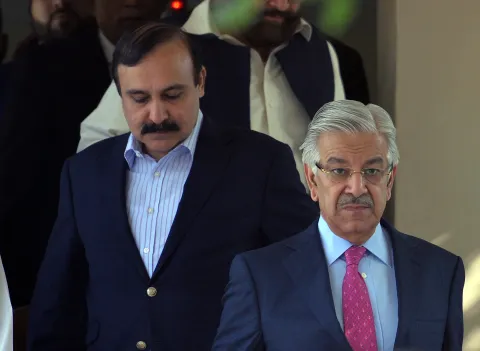
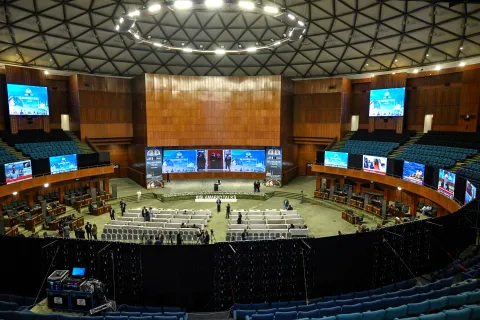
The talks, held behind closed doors at a secure government venue, began Tuesday and continued through Wednesday under a 15-day truce that took effect on April 8 following 40 days of escalating conflict. Pakistani officials described the discussions as “constructive but difficult,” noting that the two sides engaged directly for the first time since hostilities began.
Both parties traded blame for the breakdown. Iranian officials accused Washington of “intransigence and bad faith,” while US Vice President JD Vance said Tehran had “walked away from reasonable compromises.”
Diplomatic sources said progress was made on several technical issues, including de-escalation measures in the Persian Gulf, limited humanitarian access, and preliminary steps toward the phased release of approximately $6 billion in Iranian assets frozen abroad.
However, three major disputes derailed the talks. Iran rejected US proposals for international oversight of transit through the Strait of Hormuz, insisting on full sovereign control. Deep divisions also persisted over Iran’s nuclear programme, with Washington seeking verifiable limits and Tehran refusing constraints it views as infringing on sovereignty. A third point of contention was Lebanon, where Iran called for an immediate halt to Israeli military operations. At the same time, the US argued the issue fell outside the scope of the bilateral truce.
Pakistani Foreign Minister Ishaq Dar expressed disappointment but said both sides had tentatively agreed to consider a second round of talks within ten days, contingent on “serious political will.” He added that the current truce remains in place, though fragile amid ongoing Israeli strikes in Lebanon and recent drone attacks targeting Gulf energy infrastructure.
The failed negotiations follow more than a month of open conflict triggered by US military action against Iran, which expanded to involve Hezbollah and attacks across Gulf targets. While the truce has so far prevented further direct confrontation between Washington and Tehran, the collapse of the talks in Islamabad could prolong instability and delay any broader political settlement.


