


ALBAWABA- In a marked escalation of the U.S.-Israeli campaign against Iran, airstrikes struck the B1 Bridge near Karaj, west of Tehran, multiple times on Thursday, killing civilians and damaging critical infrastructure.
Iranian state media reported that U.S.-Israeli aircraft targeted the 136-meter-high bridge, widely described as the tallest in the Middle East, at least three times. The third strike reportedly occurred as civil-defense teams were assisting victims of the initial attack.
At least two people were killed and several others injured, according to Alborz provincial authorities and Fars News Agency. The bridge, a key highway link between Tehran and Karaj, which is nearing full operation, sustained significant damage, triggering power outages in surrounding areas.
The incident signals a shift from earlier strikes focused primarily on military installations, missile sites, and air defense systems toward civilian infrastructure.
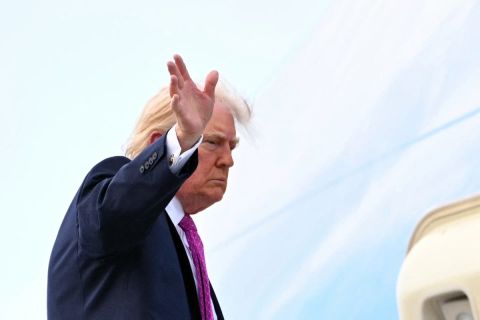
Meanwhile, and in a controversial move, U.S. President Donald Trump shared a video appearing to show the destruction of the Karaj bridge, describing it as Iran’s “biggest bridge” “crumbling down” and “never to be used again,” adding that “much more [is] to follow” and urging Tehran to make a deal “before it is too late.”
Donald Trump’s post appears to normalize the targeting of civilian infrastructure. Publicly endorsing or amplifying such strikes would raise serious concerns under international humanitarian law, particularly with respect to the protection of civilian objects and the obligations incumbent upon state leaders.
Iranian officials condemned the attack as a deliberate strike on non-military assets. The Israel Defense Forces denied involvement, stating it was “not aware” of any operation targeting the bridge.
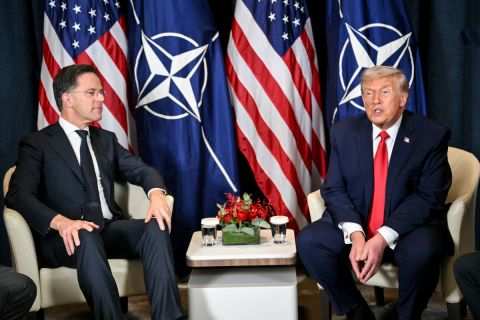
The strikes followed a televised address by U.S. President Donald Trump on Wednesday, in which he provided an update on Operation Epic Fury, the joint campaign launched on February 28, 2026.
Trump said core military objectives were “nearing completion” but warned that intensive operations would continue for “the next two to three weeks.” He pledged to “hit them extremely hard,” reiterating earlier rhetoric about pushing Iran “back to the Stone Age.”
The address came amid ongoing Iranian missile barrages targeting Israel and Gulf states, which have killed at least 19 people in Israel and caused wider regional disruption.
More than 2,000 people in Iran, mostly civilians, have reportedly been killed since the conflict began. The latest strikes on economic and civilian-linked infrastructure may be aimed at intensifying pressure on Tehran’s leadership, even as Iranian forces continue retaliatory attacks.
The White House has not directly commented on the Karaj incident, while U.S. Central Command has released footage of earlier strikes on military targets.
Now in its fifth week, the conflict is expanding in scope, with growing implications for regional stability, global oil markets, and supply chains passing through the Strait of Hormuz.


