


ALBAWABA- The United States is urging Lebanon to retrieve an unexploded GBU-39B Small Diameter Bomb (SDB) left intact after the Israeli airstrike that killed Hezbollah’s top military commander, Haytham Ali Tabtabai, on November 23.
The U.S.-supplied precision-guided bomb reportedly malfunctioned during the strike on Beirut’s southern suburbs, landing undetonated in sandy terrain and exposing sensitive GPS and guidance components.
Lebanese authorities have secured the area but have not publicly confirmed whether they will comply with Washington’s request, citing sovereignty and security concerns.
U.S. officials, speaking anonymously, warned that the device could be scavenged by Hezbollah or transferred to Iran, Russia, or China, raising fears that classified technology could be reverse-engineered.
Recovery personnel from the U.S. Embassy in Beirut remain on standby amid heightened surveillance around the Dahiyeh district.
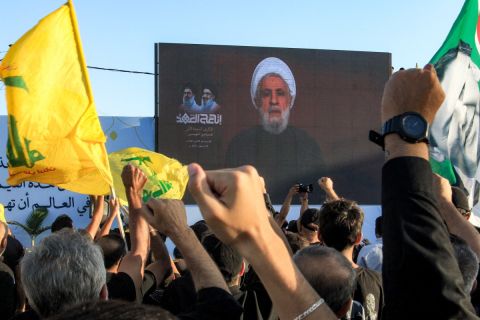
The assassination represents a significant escalation following the fragile post-2024 truce between Israel and Hezbollah, which was already shaken by the killing of Hezbollah leader Hassan Nasrallah in September.
Israel accuses Tabtabai, also known as Ali Tabtabai, of orchestrating cross-border attacks that killed more than a dozen civilians in the Golan Heights. Hezbollah deputy leader Naim Qassem vowed retaliation, asserting the group’s “right to defend” and warning of broader confrontation.
Since the November strike, Israel has launched at least five additional attacks in southern Lebanon, killing more than 330 people and injuring 945, according to Lebanon’s Health Ministry.


