ALBAWABA- In a bold escalation of enforcement against sanctioned Venezuelan oil shipments, U.S. naval forces boarded and seized a Russian-flagged tanker in the North Atlantic, marking the third such interception in recent weeks.
The Russian Ministry of Transport reported losing all contact with the vessel, identified as the Marinera, shortly after U.S. personnel boarded it outside territorial waters. Moscow condemned the action as a violation of international maritime law, with officials accusing Washington of piracy and heightening diplomatic friction between the two powers.
The seizure follows similar operations. U.S. forces apprehended two other tankers, the Skipper and Centuries, since December 10, 2025, in the Caribbean and Atlantic, both suspected of carrying Venezuelan crude in defiance of U.S. sanctions.
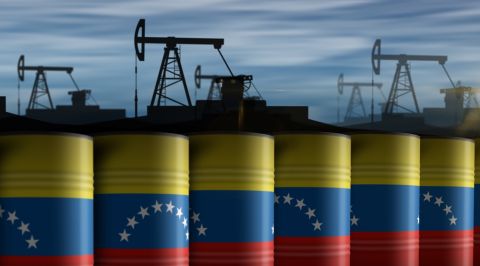
These vessels form part of a "shadow fleet" often flagged under Russian or Iranian registries to evade restrictions imposed on Venezuela's state-owned PDVSA oil company.
The U.S. Department of Justice alleges the tankers were transporting millions of barrels of illicit oil, potentially worth hundreds of millions of dollars, to undisclosed buyers. A U.S. official described the boarding as a coordinated effort involving the Navy and Coast Guard after weeks of pursuit, emphasizing it as a non-violent operation to uphold global sanctions.
This incident unfolds against the backdrop of renewed U.S.-Venezuela relations under President Donald Trump's second term. Trump, who has prioritized energy dominance, announced on January 6 via Truth Social that Venezuela would "turn over" between 30 and 50 million barrels of sanctioned oil to the United States.
In the post, he stated the U.S. would sell the oil at market prices, potentially generating $1.8 to $2.8 billion, and pledged to "personally supervise the expedited distribution of the oil revenues to the American and Venezuelan people."
The deal, negotiated with Venezuela's interim government amid ongoing political turmoil, aims to alleviate U.S. fuel costs while providing humanitarian aid to Venezuelans, though critics warn it could entrench U.S. influence over Caracas' resources.
The tanker seizures as a direct implementation of Trump's aggressive stance on Venezuelan oil exports, which he has framed as a means to counter Russian and Iranian involvement in the region.
Russia, a key ally of Venezuelan President Nicolás Maduro, has deployed naval escorts for such shipments, raising fears of broader confrontations.
Oil prices dipped slightly following the announcements, reflecting market anticipation of increased supply. International observers, including the UN, have called for restraint to prevent a naval standoff in the Atlantic.