ALBAWABA - Following Israel's latest strike on the southern suburbs of Beirut, U.S. President Donald Trump openly lambasted Israeli Prime Minister Benjamin Netanyahu saying that further military escalation could undermine efforts to finalize a framework agreement between Washington and Tehran.
Reports indicate that Trump had a difficult phone call with Netanyahu following the Israeli operation, expressing his displeasure at the timing of the action as talks with Iran progressed into what appear to be their last stages.
“I told him to cease fire in Lebanon,” Trump told US media outlets. “I said it’s very important that we don’t have a wider confrontation in the region. He also said he will contact Iranian authorities to try to talk down any retaliation.Deal could be signed in hours
Trump said a framework agreement with Iran may be reached within hours, calling the negotiations in their last stages.
The proposed agreement would see the US ease restrictions on Iran and get promises on Tehran’s nuclear activities. Trump said the deal would ensure regional stability by blocking Iran’s access to nuclear weapons and setting up systems to oversee crucial nuclear facilities.
The deal is planned to start with an initial remote signing, followed by a formal ceremony at a later date.## Beirut Bombing Throws Monkey Wrench in Diplomatic Efforts
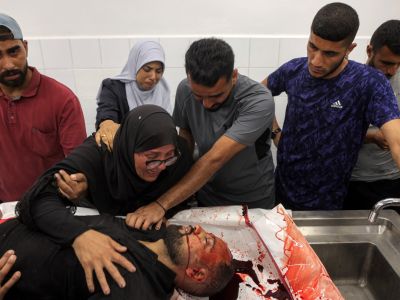
The diplomatic drive was overshadowed by increased bloodshed in Lebanon following Israel’s strikes against targets in the southern suburbs of Beirut.
Israeli officials said the action was in response to rockets fired toward northern Israel, which they said broke understandings for a ceasefire. Lebanese authorities said the strike caused casualties.
The strike could undermine diplomatic momentum at a critical time, said sources involved in the negotiations, warning the escalation might further delay or kill the agreement.## Iran Signals Willingness to Negotiate
While some Iranian officials expressed concern about Washington’s long-term commitment to any deal, Tehran’s leadership remained committed to the diplomatic path.
Iranian President Masoud Pezeshkian repeated that the country's Supreme National Security Council prefers talks as the preferred way ahead, despite protests from hardline forces.
At the same time, senior Iranian authorities warned that further Israeli military measures could prompt a response, and make it more difficult to achieve a durable understanding.## Strengthening International Mediation
As the discussions reached the last phase, diplomatic activity in the region has picked up. According to Reuters, Qatari negotiators flew to Tehran to assist lay the groundwork for an accord.
In a phone discussion with President Vladimir Putin, Trump said the deal with Iran seemed to be close, Russian officials also said.
There is much hope for a breakthrough and regional leaders will be looking intently to see whether diplomacy can overcome fresh tensions and produce a long-awaited deal between Washington and Tehran.