ALBAWABA - Iran appears poised to raise the stakes in any potential clash with the United States, as U.S. military assets proliferate throughout the Middle East and President Donald Trump amplifies his rhetoric against Tehran.
Analysts suggest Iran is leaning on a well-established strategy: making a direct confrontation with Washington too costly, rather than seeking a conventional military engagement.
For years, Iran's defense posture has been built around avoiding head-on warfare with the United States. Instead, it has concentrated on attrition, indirect pressure, and deterring through the threat of escalation. With American aircraft carriers and naval forces positioning themselves closer to the region, this strategy is resurfacing as tensions mount.
Even after recent setbacks from Israeli operations and limited U.S. strikes, experts contend that Iran still possesses considerable military capabilities.
Its stockpile of ballistic missiles and unmanned aerial vehicles, including Shahed drones, remains a core element of its deterrence strategy, ready to be deployed if conflict intensifies.
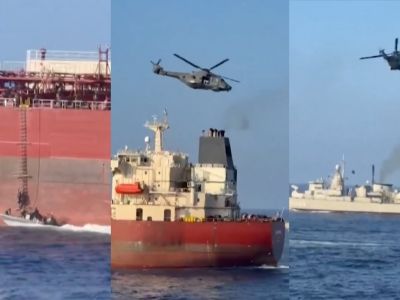
Iran's economic influence, stemming from its strategic location along vital global energy and trade routes, is also a consideration. Western analysts caution that even minor disruptions to these corridors could have significant repercussions on international markets, potentially escalating the cost of any conflict far beyond the immediate area.
Tehran's calculations also take into account its regional allies and affiliated groups. Hezbollah has publicly stated it would not stay out of a conflict if Iran were attacked, and the Houthi movement seems poised to increase tensions, particularly in maritime areas. Analysts, however, point out that these groups wield less clout than they once did.
Observers warn that Iran understands the dangers of an attrition strategy. This kind of approach might not deliver the strategic victories Tehran hopes for, and it could deplete its remaining options in a conflict that's quickly spiraling. Consequently, Iran's future actions are likely to be closely tied to U.S. moves and Washington's larger strategy for exerting military, economic, or hybrid pressure in the area.