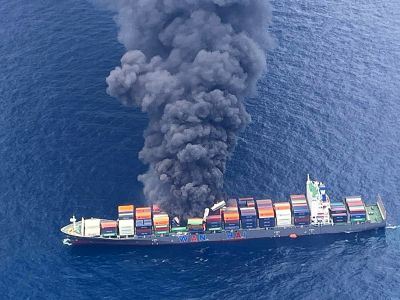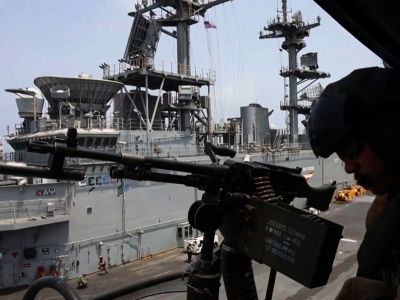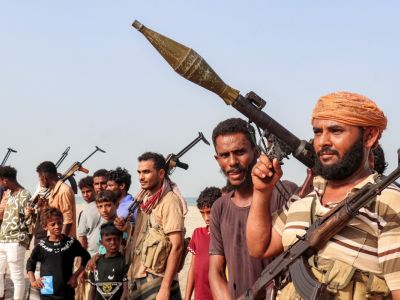


ALBAWABA - The deterioration of relations between the Iran and the member states of the Gulf Cooperation Council (GCC) marks a significant inflection point in Middle Eastern geopolitics.
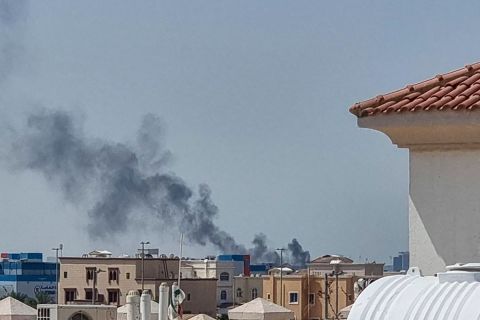
While tensions have fluctuated for decades—driven by ideological rivalry, sectarian competition, and conflicting security doctrines—the recent escalation involving missile and drone launches attributed to Tehran against Gulf territories represents a profound strategic miscalculation. This development not only undermines Iran’s regional standing but also reshapes the security architecture of the Arabian Peninsula in ways detrimental to Iranian interests.
Historically, Iran–Gulf relations have been characterized by asymmetric threat perceptions. For Tehran, the Gulf monarchies—particularly Saudi Arabia and the United Arab Emirates—have often been viewed as extensions of American containment policy. For the GCC states, however, Iran’s ballistic missile program, maritime harassment in the Strait of Hormuz, and sponsorship of non-state actors have constituted persistent security concerns. Despite this, pragmatic engagement periodically surfaced, especially during phases of economic necessity or diplomatic recalibration.
The decision to employ missiles and unmanned aerial vehicles (UAVs) against Gulf targets fundamentally alters this equation. From a strategic perspective, such actions eliminate plausible deniability and blur the distinction between proxy warfare and direct state confrontation. In doing so, Tehran risks transforming what was once a manageable rivalry into an overt interstate conflict dynamic. For the Gulf monarchies, missile and drone attacks cross a red line: they directly threaten critical infrastructure, energy exports, financial hubs, and civilian populations.
The immediate consequence for the GCC states is accelerated security consolidation. Even prior to such escalations, Gulf countries had been investing heavily in integrated air and missile defense systems. Direct attacks provide political justification for deeper military coordination, expanded procurement from Western suppliers, and intelligence-sharing frameworks that may increasingly include Israel. The Abraham Accords environment has already facilitated quiet security exchanges; overt Iranian strikes would likely formalize and intensify these arrangements.
Economically, the Gulf states possess resilience mechanisms that Iran lacks. Sovereign wealth funds, diversified investment portfolios, and relatively low debt burdens allow countries such as Saudi Arabia, the UAE, and Qatar to absorb temporary disruptions. However, heightened insecurity may temporarily raise insurance premiums for shipping and energy exports, increase defense expenditures, and deter some foreign direct investment. Yet over the medium term, these states may benefit strategically: the perception of a common Iranian threat reinforces their cohesion and global partnerships.
For Iran, the repercussions are far more severe. First, direct aggression against Gulf states undermines Tehran’s long-standing narrative that its regional posture is defensive and anti-imperialist rather than expansionist. Missile and drone attacks against neighboring Muslim-majority countries weaken Iran’s soft-power appeal and erode sympathy even among populations critical of Western influence. Second, such actions risk triggering broader coalition-building against Iran, potentially involving not only GCC members but also external actors.
Economically, Iran remains far more vulnerable than its Gulf counterparts. Sanctions, currency depreciation, capital flight, and chronic underinvestment have constrained growth for years. Escalatory military behavior risks additional sanctions, further isolation from global financial systems, and deterrence of the limited foreign investment channels that remain. Moreover, any disruption to Gulf energy flows would likely provoke international backlash against Tehran, as global markets depend heavily on stable Gulf exports.
Strategically, Iran’s reliance on missile and drone capabilities reflects an asymmetric doctrine designed to compensate for conventional military inferiority. However, when deployed directly against neighboring states rather than through proxies, these tools lose their deterrent ambiguity and instead invite retaliatory escalation. Gulf states, backed by advanced Western defense systems, may respond in calibrated yet firm ways—ranging from cyber operations to diplomatic isolation or limited military countermeasures.
In the longer term, the destruction of diplomatic trust complicates any future regional détente. Recent attempts at Saudi–Iranian rapprochement demonstrated that dialogue, while fragile, was possible. Missile and UAV attacks risk reversing such gains and entrenching a security dilemma in which each side interprets the other’s defensive measures as offensive threats.
In conclusion, Iran’s decision to launch missiles and drones toward Gulf states represents a strategic error with cascading consequences. Rather than coercing concessions or projecting strength, it consolidates opposition, legitimizes military integration among its rivals, and exacerbates Iran’s own economic and diplomatic isolation. For the Gulf monarchies, the episode accelerates security alignment and external partnerships; for Iran, it deepens structural vulnerabilities and narrows the path toward regional reintegration.