ALBAWABA - A British media outlet has reported that Iran's Supreme Leader, Ayatollah Ali Khamenei, has taken refuge in a heavily fortified underground bunker. This comes amid rising tensions with the United States, with concerns mounting about a possible American military response.
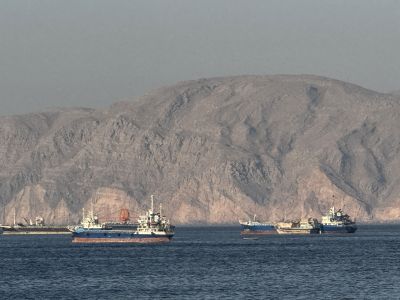
The Sun newspaper claims the 86-year-old leader has moved to a highly secure shelter. This shelter is connected to a network of tunnels located beneath Tehran. The report states that senior commanders cautioned that a U.S. strike could be on the horizon. The report also connects this move to the positioning of a significant U.S. naval presence in the area.
Furthermore, the report indicates that Khamenei has entrusted the day-to-day affairs of governance to his younger son, Masoud Khamenei. Masoud is reportedly managing the Supreme Leader's office and serving as a primary point of contact with Iran's executive authorities.
Iranian officials are maintaining a public posture of defiance. President Masoud Pezeshkian stated that any attack by the U.S. or Israel aimed at Khamenei would be considered a "full-scale war." The parliament's national security committee also cautioned that such an action could lead to a declaration of "jihad."
Yet, the report suggests a more restrained approach may be in play behind closed doors. Khamenei, typically active on social media, hasn't posted on X since January 17th, sparking speculation about his security. This isn't the first instance of him going quiet; similar precautions were observed during last year's brief conflict with Israel.
The report further underscores the escalating turmoil within Iran. Rights groups and medical sources, as reported by international media, indicate that protests fueled by economic hardship and environmental degradation have been met with brutal crackdowns, leading to a significant increase in fatalities and injuries.
At the same time, regional tensions are spreading. Airlines have adjusted their flight paths to circumvent Iranian airspace, and European aviation authorities have recommended that carriers avoid the region as the situation becomes more strained.