ALBAWABA- Japan restarted operations at the Kashiwazaki-Kariwa nuclear power plant, the world’s largest by capacity, nearly 15 years after the Fukushima disaster triggered a nationwide reactor shutdown.

Operated by Tokyo Electric Power Company (TEPCO) in Niigata Prefecture, the No. 6 reactor resumed partial operations following a minor alarm glitch during final tests. The unit, generating 1.35 gigawatts, is expected to reach 50% output within a week, with full commercial operations targeted for late February, pending regulatory approval.
This marks TEPCO’s first reactor reactivation since 2011, when the Fukushima meltdown forced the idling of Japan’s 54-reactor fleet. Once fully operational, Kashiwazaki-Kariwa’s seven reactors could collectively produce 8.2 gigawatts, powering millions of homes and strengthening Japan’s energy security amid heavy reliance on fossil fuel imports.
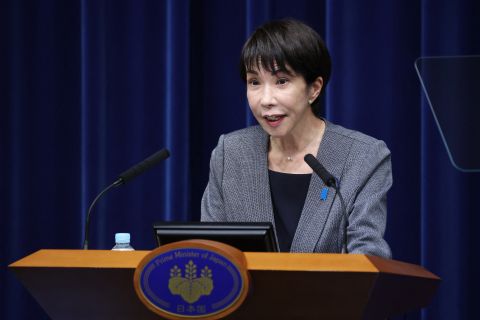
The restart aligns with Prime Minister Sanae Takaichi’s push for nuclear revival to meet emissions targets and enhance energy self-sufficiency, despite local opposition in Niigata. Japan now has 15 operational reactors out of 33 remaining viable units.
The development comes amid domestic political turbulence. On January 19, Takaichi announced plans to dissolve the lower house on January 23, triggering snap elections on February 8.
The first female prime minister since October 2025 cited the need for a fresh mandate to advance fiscal stimulus, tax cuts, and defense expansion, while her coalition holds a razor-thin majority. Polls show her approval rating at 78%, buoyed by economic pledges, though opposition parties have criticized the timing as opportunistic.
Complicating the domestic picture are rising regional tensions. Takaichi’s November 2025 warning that a Chinese attack on Taiwan could constitute an existential threat to Japan has strained Tokyo-Beijing relations, prompting large-scale Chinese military drills around Taiwan in December.
Meanwhile, North Korea’s missile tests, including two supersonic launches on January 4, highlight Pyongyang’s growing capabilities, pushing Japan to increase its 2026 defense budget to a record 9 trillion yen ($58 billion).
The U.S.-China rivalry, combined with regional security challenges, could heighten instability as Japan balances energy independence with military preparedness.
This reactivation of the world’s largest nuclear plant underscores Tokyo’s dual focus on domestic energy security and geopolitical strategy, setting the stage for a high-stakes election amid regional uncertainty.