ALBAWABA - Trump is reportedly mulling over the possibility of covert special forces strikes on Iran, according to American officials who are privy to the discussions. The proposed operations would target aspects of Iran's nuclear program that survived previous U.S. strikes last June.
This potential course of action has sparked worries that the Middle East might be on the brink of a more extensive military confrontation.
A report from The New York Times suggests that the proposal goes further than a simple display of power. Should it be greenlit, the operations would be designed to cause considerable damage to Iran's nuclear infrastructure and undermine the influence of Supreme Leader Ali Khamenei, potentially leading to changes within Iran's leadership.
Even with the spotlight on military possibilities, diplomatic avenues are still technically available. American officials maintain that the threat of force is intended to nudge Tehran toward talks, even as plans for a more forceful approach are underway.
The most delicate option being weighed involves secret U.S. commando operations within Iran. These missions are considered very dangerous, considering Iran's sophisticated air defenses and internal security. American forces are reportedly trained for years for missions involving infiltration into heavily guarded locations, including possible strikes on nuclear and strategic sites.
Simultaneously, the White House is considering the option of hitting key Iranian military leaders and command hubs to undermine the nation's security apparatus. Still, experts express considerable doubt about the potential fallout, such as the identity of Khamenei's possible successor and whether a new Iranian leadership would even entertain talks with the U.S.
Israel, for its part, is urging the United States to resume strikes on Iran's missile programs. Iranian officials have responded with stern warnings, stating that any American assault would be viewed as an act of war, vowing to retaliate against American and regional targets, Israel included.
Legal issues add another layer of difficulty. Any significant military action without congressional backing could trigger constitutional challenges. The administration has pointed to Iran's status as a state sponsor of terrorism to support its legal position, mirroring the rationale used following the 2020 assassination of Iranian general Qassem Soleimani.
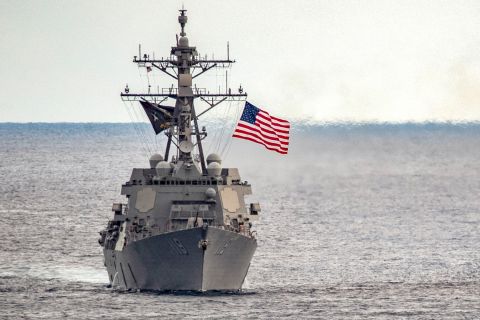
Simultaneously, the U.S. has bolstered its military presence in the area, sending aircraft carriers, sophisticated fighter jets, missile defense systems, and long-range bombers.
Experts caution that the region could be approaching a pivotal juncture. Washington is trying to manage covert military pressure and diplomatic efforts, all while the possibility of a larger, uncontainable conflict looms.